Wednesday, 25 February 2015

NDM Story #40 Is Twitter bad for economic growth?

http://www.theguardian.com/business/economics-blog/2015/feb/18/is-twitter-bad-for-economic-growth-bank-of-england?utm_medium=twitter&utm_source=dlvr.it
Technology has been our friend in the past but today the impact “may be less benign”, Haldane said in a speech to university students on Tuesday night. Reviewing the factors behind leaps forward in living standards over centuries, he highlighted how our information revolution may be changing our brains to think fast rather than deep. We are clearly in the midst of an information revolution, with close to 99% of the entire stock of information ever created having been generated this century. This has had real benefits. But it may also have had cognitive costs. One of those potential costs is shorter attention spans,” Haldane told the University of East Anglia. “Some societal trends are consistent with that. The tenure of jobs and relationships is declining. The average tenure of Premiership football managers has fallen by one month per year since 1994. On those trends, it will fall below one season by 2020. And what is true of football is true of finance. Average holding periods of assets have fallen tenfold since 1950. The rising incidence of attention deficit disorders, and the rising prominence of Twitter, may be further evidence of shortening attention spans.”
This article shows that Twitter can be a distraction for some and can therefore have an impact on their standards of living. However, i disagree with this viewpoint.
NDM Story #39 Mail Online soars past 200m monthly browsers as newspaper sites bounce back
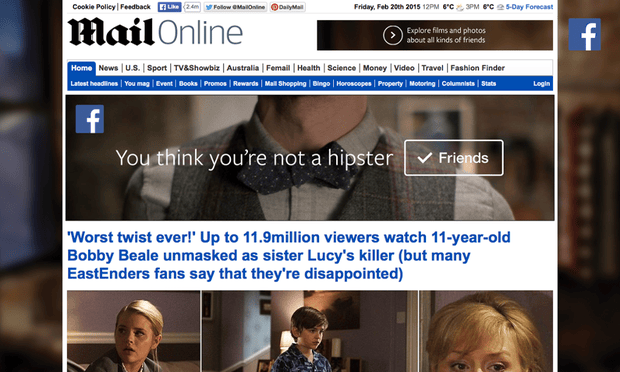
This is positive for The Daily Mail as statistics show that the newspaper website remains the most popular in the UK. However, this also means that other online newspapers will feel threatened and would want to be more competitive.
NDM Story #38 Brian Williams has gone, but false news is bigger business than ever by Emily Bell

I think this is a great example of how stories in the media can actually be exaggerated and those in power can get away with it. Sometimes it goes unnoticed, however in this case Brian Williams has been caught out about his exaggerated story which then gives him a bad representation in the media.
NDM Story #37 Brands must take advantage of Twitter's personal touch

In my opinion, it is very interesting that technology nowadays allows brands to link with other brands. In this case, the social networking site Twitter can track the popularity of other brands such as Lloyds and HSBC through its users.
NDM Story #36 Ferguson’s citizen journalists revealed the value of an undeniable video
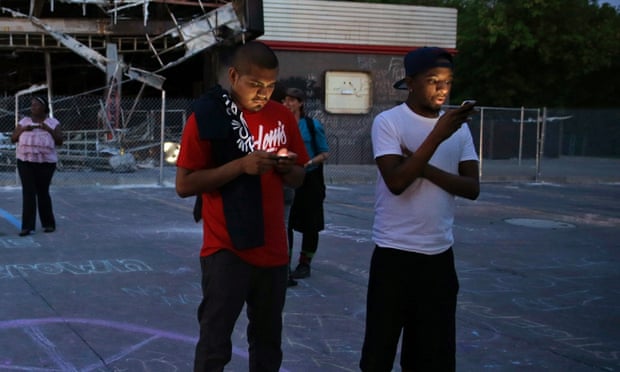
In Ferguson, Missouri this week, the public has turned the notion of “see something, say something” back on the state, via a digital tool of enormous power: online pictures and video. Their efforts – which began days before reporters descended when Twitter user @TheePharaoh posted pictures immediately after a police officer killed an unarmed black teenager, Michael Brown – have helped bring international attention to both Brown’s death and law enforcement’s disproportionate response to the ensuing protests. Antonio French, an alderman in nearby St Louis, spent days posting to Twitter pictures and a series of videos of the demonstrations and police actions that he captured on his mobile phone – and was reportedly arrested and then released on Wednesday evening. He is a citizen journalist of the best kind: a credible witness who has helped inform the wider public about a critical matter. Can anyone plausibly doubt that he and the two professional journalists who were briefly taken into custody after police demanded they stop recording were targeted because they were documenting law enforcement actions? Ferguson isn’t the first example of this kind of citizen journalism, which has been going on for years in any number of other places including Iran, Egypt, Occupy Wall Street and Syria. But the videos, blog posts, tweets, and photos from French and others on the ground have complemented the work of the traditional journalists on the scene – and have reminded us of what is becoming a civic duty in today’s America.
It is a good thing that people are using citizen journalism to help reveal the truth. After all, people who are dominant and have power are usually able to get away with negative things they have done (such as the police officer who killed Michael Brown), however footage from the public ensures they do not get away with it.
NDM Story #35 Why more men should fight for women’s rights by Owen Jones
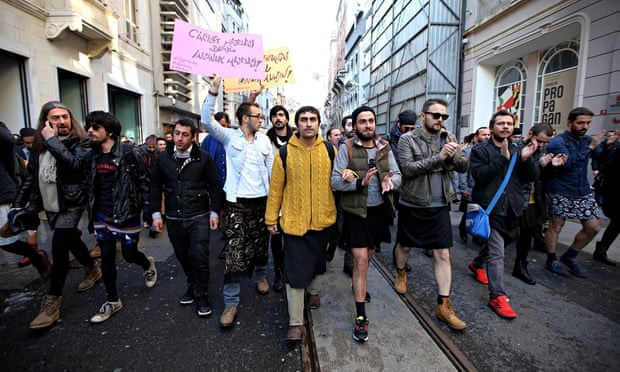
Özgecan Aslan was a 20-year-old psychology student with dreams, fears and aspirations who was tortured and murdered by a man. She could have become just another statistic in a global pandemic of male violence against women, but in Turkey and neighbouring Azerbaijan she has become an icon. Across Twitter, Turkish women have responded by sharing their experiences of harassment, objectification and abuse. But something else happened: men took to the streets wearing miniskirts, protesting at male violence against women and at those who excuse it or play it down.
I think that it is extremely positive that this case has allowed women to express their personal experiences through social media and have gained courage through it by no longer fearing men. Although the death of the 20 year old is upsetting, she has had a positive impact on other women who have faced or are facing similar situations.
Subscribe to:
Posts (Atom)